Garlic Herb Homemade Mayonnaise
Highlighted under: Sweet Treat Creations
Elevate your sandwiches and salads with this rich and flavorful Garlic Herb Homemade Mayonnaise. It's simple to make and packed with fresh ingredients.
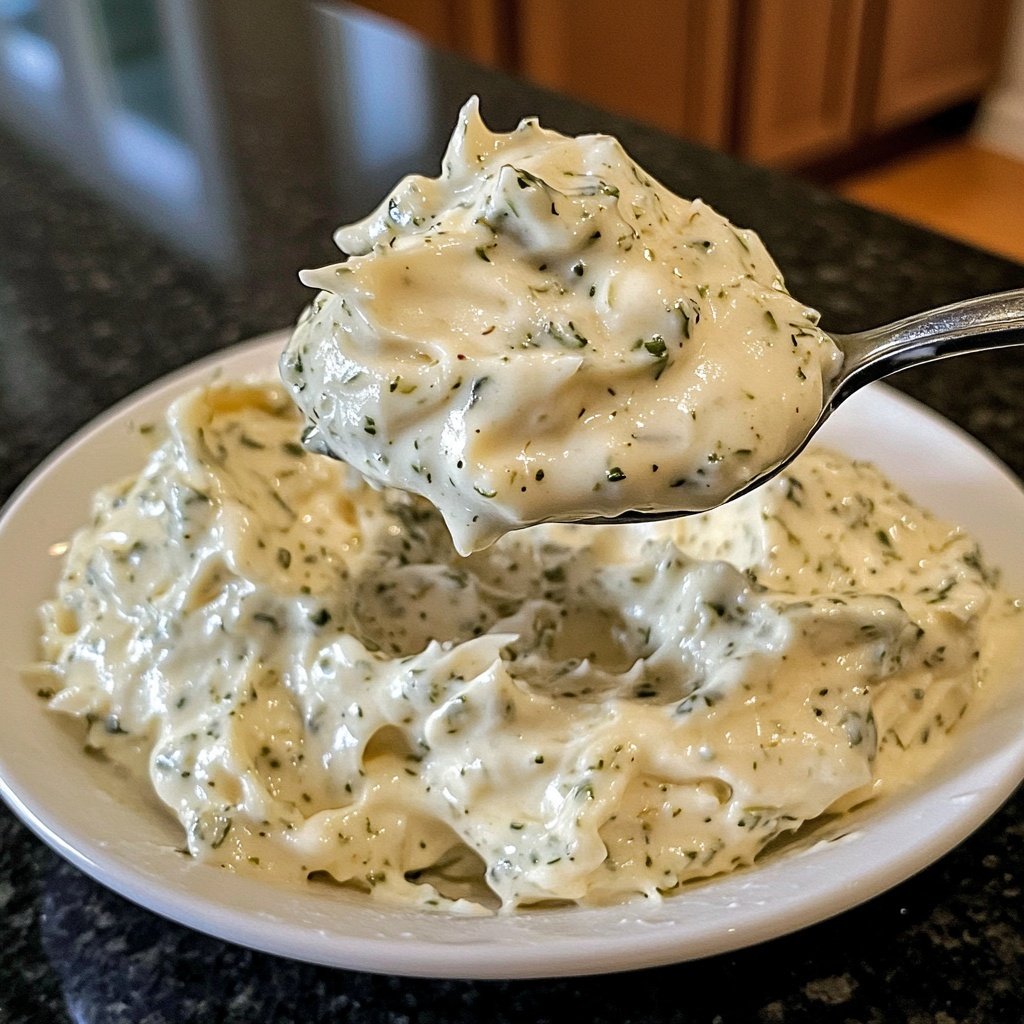
This Garlic Herb Homemade Mayonnaise is a game changer in the kitchen. With just a few simple ingredients, you can create a creamy and flavorful spread that enhances any dish. Whether you're using it as a dip, a sandwich spread, or a salad dressing, this homemade version beats store-bought any day!
Why You'll Love This Recipe
- Fresh garlic and herbs create an irresistible flavor profile
- Customizable to suit your taste with different herbs
- No preservatives or artificial ingredients
The Art of Mayonnaise Making
Making homemade mayonnaise might seem intimidating, but it’s actually quite simple and rewarding. The key to a perfect mayonnaise lies in the emulsion process, where oil and water-based ingredients blend seamlessly. By starting with room temperature ingredients, you enhance the emulsification, resulting in a creamy texture. This rich, homemade version far surpasses store-bought varieties, both in flavor and freshness, making it a staple in any kitchen.
Choosing high-quality ingredients is essential when making mayonnaise. Fresh eggs, a good Dijon mustard, and quality vegetable oil make a noticeable difference in taste. Don't shy away from experimenting with different oils—olive oil, avocado oil, or grapeseed oil can impart unique flavors to your homemade mayonnaise. Each variation offers a different experience, so feel free to experiment and find the combination that suits your palate best.
Customizing Your Mayonnaise
One of the best aspects of making mayonnaise at home is the ability to customize it to your liking. The basic recipe serves as a blank canvas for your culinary creativity. Want a spicy kick? Add some sriracha or a dash of cayenne pepper. Craving a zesty flavor? Try incorporating lemon juice or zest for a refreshing twist. With fresh herbs like basil or dill, you can elevate your mayonnaise to accompany specific dishes perfectly.
Don't hesitate to try different combinations of herbs and spices. Fresh basil pairs wonderfully with tomatoes, while dill is fantastic with fish dishes. If you prefer a sweeter flavor, consider adding a touch of honey or maple syrup. The possibilities are endless, and with each adjustment, you can create a mayonnaise that suits your unique taste and complements your favorite recipes.
Storing and Using Homemade Mayonnaise
Once you've mastered the art of making mayonnaise, proper storage becomes crucial for maintaining its freshness. Transfer your homemade mayonnaise into an airtight container and store it in the refrigerator. For best quality, use it within one week, as it contains no preservatives. Always check for any off smells or changes in texture before using, as homemade mayonnaise is more sensitive to spoilage than commercial varieties.
Homemade mayonnaise is incredibly versatile. Use it as a spread on sandwiches or as a base for creamy dressings and dips. It’s perfect for adding richness to salads like chicken salad or coleslaw. You can also use it in recipes requiring a creamy texture, such as potato salad or deviled eggs. With its fresh flavor, your homemade mayonnaise will enhance any dish it accompanies.
Ingredients
Gather these fresh ingredients to create your homemade mayonnaise:
Ingredients
- 1 large egg yolk
- 1 tablespoon Dijon mustard
- 1 tablespoon white wine vinegar
- 1 cup vegetable oil
- 1 clove garlic, minced
- 1 tablespoon fresh parsley, chopped
- 1 tablespoon fresh chives, chopped
- Salt and pepper to taste
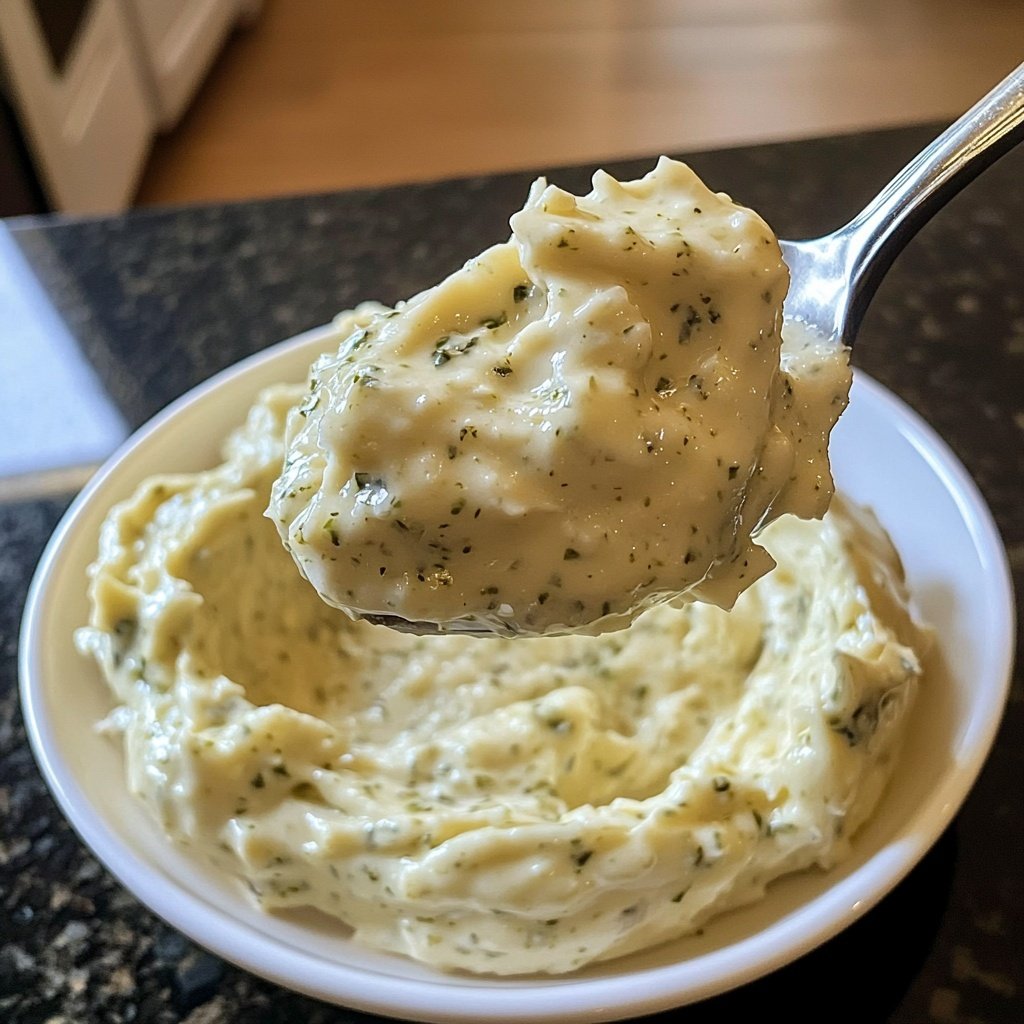
Make sure to use fresh ingredients for the best flavor!
Instructions
Follow these simple steps to whip up your homemade mayonnaise:
Combine Ingredients
In a mixing bowl, whisk together the egg yolk, Dijon mustard, and white wine vinegar until smooth.
Add Oil Gradually
While whisking continuously, slowly drizzle in the vegetable oil until the mixture thickens and emulsifies.
Incorporate Garlic and Herbs
Once emulsified, stir in the minced garlic, parsley, and chives. Season with salt and pepper to taste.
Store and Serve
Transfer the mayonnaise to an airtight container and refrigerate. Use within one week for best freshness.
Enjoy your homemade mayonnaise on sandwiches, salads, or as a dip!
Pro Tips
- For a spicier kick, add a pinch of cayenne pepper or some crushed red pepper flakes.
Nutritional Benefits of Homemade Mayonnaise
Homemade mayonnaise not only tastes better but can also be a healthier alternative to store-bought options. By making it yourself, you control the ingredients, ensuring that no unhealthy preservatives or additives make their way into your condiments. Using fresh eggs provides essential nutrients, including protein and healthy fats, which can be beneficial for your overall health.
Additionally, the use of fresh herbs not only enhances flavor but also boosts the nutritional value of your mayonnaise. Herbs like parsley and chives are rich in vitamins and antioxidants, contributing to your daily intake of essential nutrients. This means that each dollop of your homemade mayonnaise not only elevates your meals but also supports a wholesome diet.
Troubleshooting Common Mayonnaise Issues
Sometimes, homemade mayonnaise can be tricky, and you might encounter issues like it not thickening properly. If your mayonnaise doesn’t emulsify, it could be due to the oil being added too quickly or the ingredients being too cold. To fix this, try whisking in a bit of warm water or starting over with a fresh egg yolk while gradually incorporating the failed mixture.
Another common problem is separation. If your mayonnaise separates after storage, it may be due to the oil separating from the egg. Simply re-whisking it can often bring it back together. Always ensure you're using the right proportions and whisking continuously during the emulsification process to prevent these issues from occurring.
Questions About Recipes
→ Can I use olive oil instead of vegetable oil?
Yes, you can use olive oil for a richer flavor, but it may change the taste and color of the mayonnaise.
→ How long does homemade mayonnaise last?
Homemade mayonnaise can last up to one week in the refrigerator when stored in an airtight container.
→ Is it safe to use raw egg yolk?
Using raw egg yolk carries a slight risk of salmonella. Ensure you use fresh, high-quality eggs.
→ Can I make this mayonnaise vegan?
Yes! Substitute the egg yolk with aquafaba (the liquid from canned chickpeas) for a vegan version.
Garlic Herb Homemade Mayonnaise
Created by: The Dishesbyolivia Team
Recipe Type: Sweet Treat Creations
Skill Level: Beginner
Final Quantity: 1 cup
What You'll Need
Ingredients
- 1 large egg yolk
- 1 tablespoon Dijon mustard
- 1 tablespoon white wine vinegar
- 1 cup vegetable oil
- 1 clove garlic, minced
- 1 tablespoon fresh parsley, chopped
- 1 tablespoon fresh chives, chopped
- Salt and pepper to taste
How-To Steps
In a mixing bowl, whisk together the egg yolk, Dijon mustard, and white wine vinegar until smooth.
While whisking continuously, slowly drizzle in the vegetable oil until the mixture thickens and emulsifies.
Once emulsified, stir in the minced garlic, parsley, and chives. Season with salt and pepper to taste.
Transfer the mayonnaise to an airtight container and refrigerate. Use within one week for best freshness.
Extra Tips
- For a spicier kick, add a pinch of cayenne pepper or some crushed red pepper flakes.
Nutritional Breakdown (Per Serving)
- Calories: 150 kcal
- Total Fat: 15g
- Saturated Fat: 2g
- Cholesterol: 60mg
- Sodium: 80mg
- Total Carbohydrates: 1g
- Dietary Fiber: 0g
- Sugars: 0g
- Protein: 1g